


Five minutes to stay informed.
The Mexican state signs billion-peso contracts with private firms, but where it doesn’t pay what it owes —or charges what isn’t its due—, social pressure beats the law. From Olinia to blocked highways, the pattern is the same: lots of power, little accountability.
The crony’s car
Olinia, no bidding
Mexico unveiled its national electric car, Olinia, as sovereign industrial policy. But an investigation by El CEO shows how the design contract was handed out: by invitation, with no open bidding (El CEO).
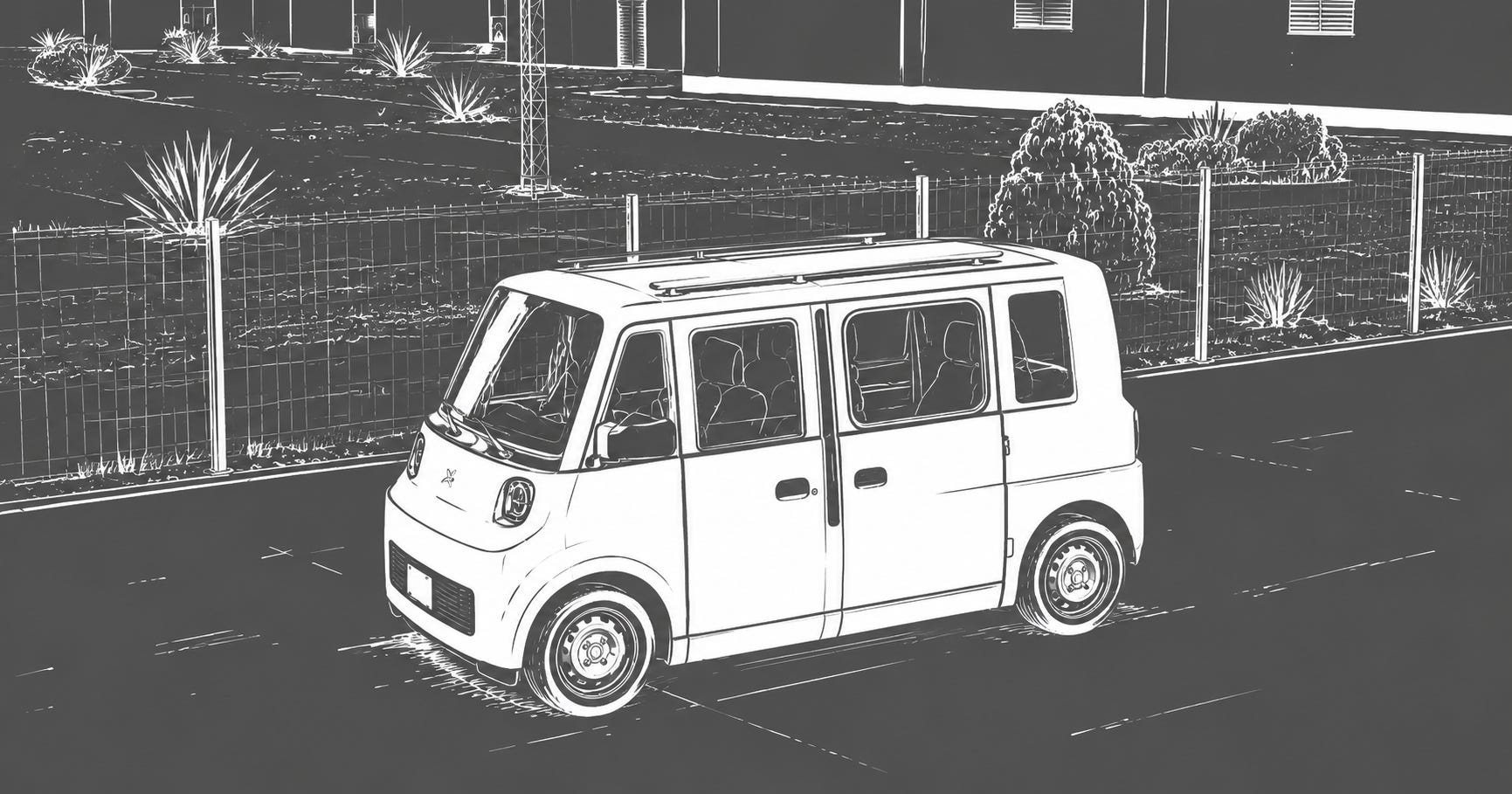
The winner was Rocketel, a cell-phone company with no automotive record, for 5.9 million pesos. The other invitees: a computer-repair firm and a staffing one. None of them makes cars (El CEO).
Per the same outlet, Rocketel shared a building with a company linked to Roberto Capuano, the project’s director. SECIHTI confirmed the contract —”conceptualization and coordination”— without explaining its selection criteria (El CEO).
BlackPaper Comment: Olinia isn’t an engineering failure. It’s what happens when the state picks the close over the capable and calls it industrial policy. What’s documented isn’t a crime: it’s a process that sought no competition. The government has yet to explain why.
Back, but on a leash
Private capital returns; the CFE rules
The CFE signs contracts today with private firms worth 8 billion dollars for 37 renewable projects —7,411 MW—. It’s the biggest return of private capital to power since AMLO‘s counter-reform (Bloomberg Línea).
The split: 46% for the private side —capital, construction, operation— and 54% for the CFE, owner of the land, the contract and the permits. There were 200 bids for nearly 38 GW: the demand was there (Energía Estratégica).
But it isn’t a market: the CFE stays the majority partner and controls dispatch. Private firms don’t compete with the state company; in practice, they subcontract to it (Expansión).
BlackPaper Comment: Capital returns, but on a leash. Mexico didn’t open the power sector: it invited firms to finance it under the monopoly‘s rules. It’s investment, yes —and confirmation of who’s in charge, and that competing is still off-limits.
The picket and the World Cup
Three days to fold
The CNTE keeps its strike and will escalate it this week: it rejected the government’s offer —which it learned of through the media before any official notice— and is marching in the capital.
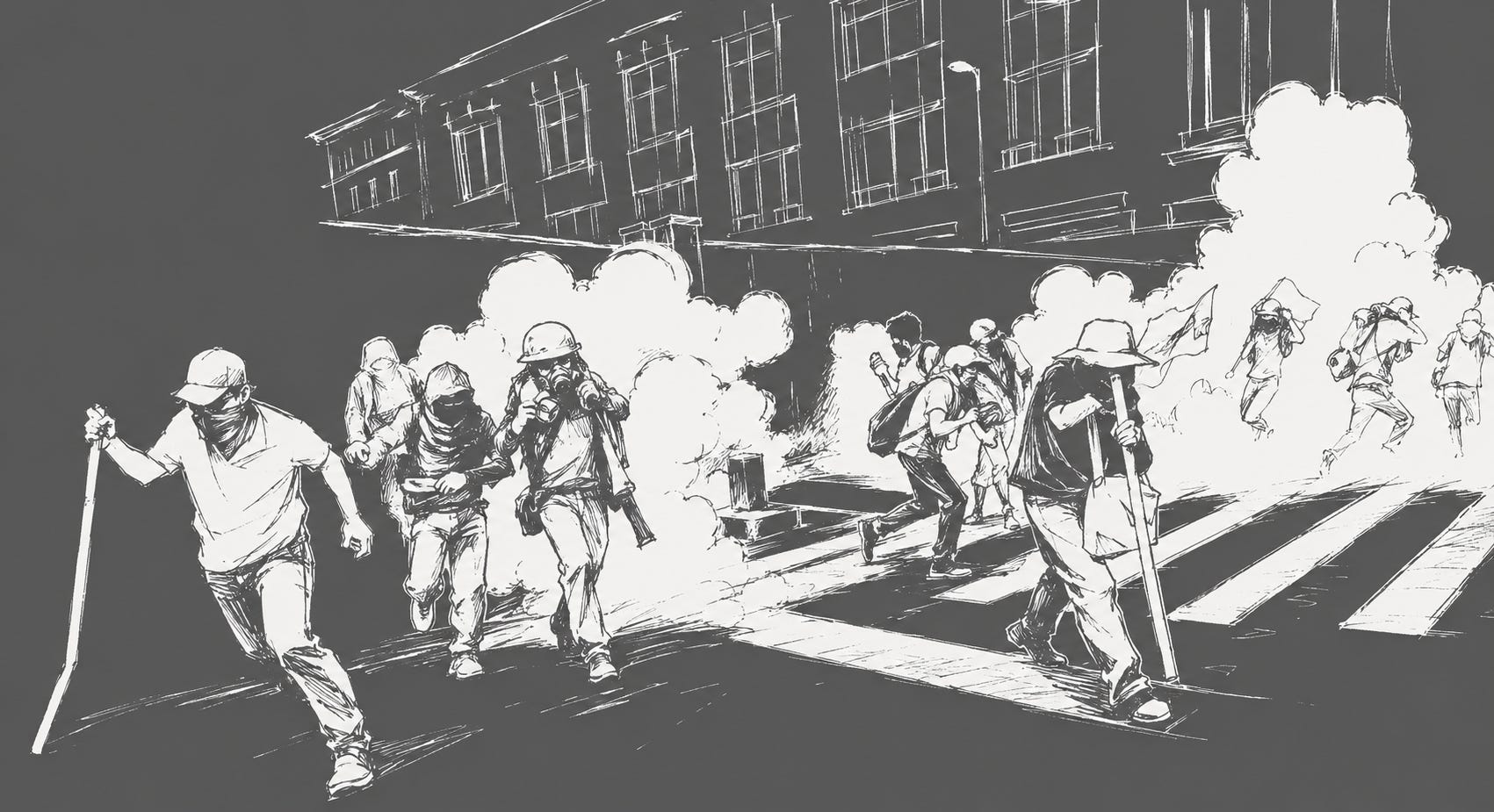
The calendar favors it: the World Cup opens June 11 at the Azteca Stadium, with Mexico City as a host. Sheinbaum asked for protests without violence, but offered no concessions (Milenio).
The demands —repeal the 2007 ISSSTE Law, a 100% raise, scrap USICAMM— carry a steep fiscal cost. If the street wins on bad timing, the signal is set: pressure pays better than the table.
BlackPaper Comment: The government that centralized everything now bargains against the clock. Folding for the World Cup doesn’t buy peace: it teaches that in Mexico the bill is collected in the street, not in the law.
The bastion that held
PRI 16, Morena 0
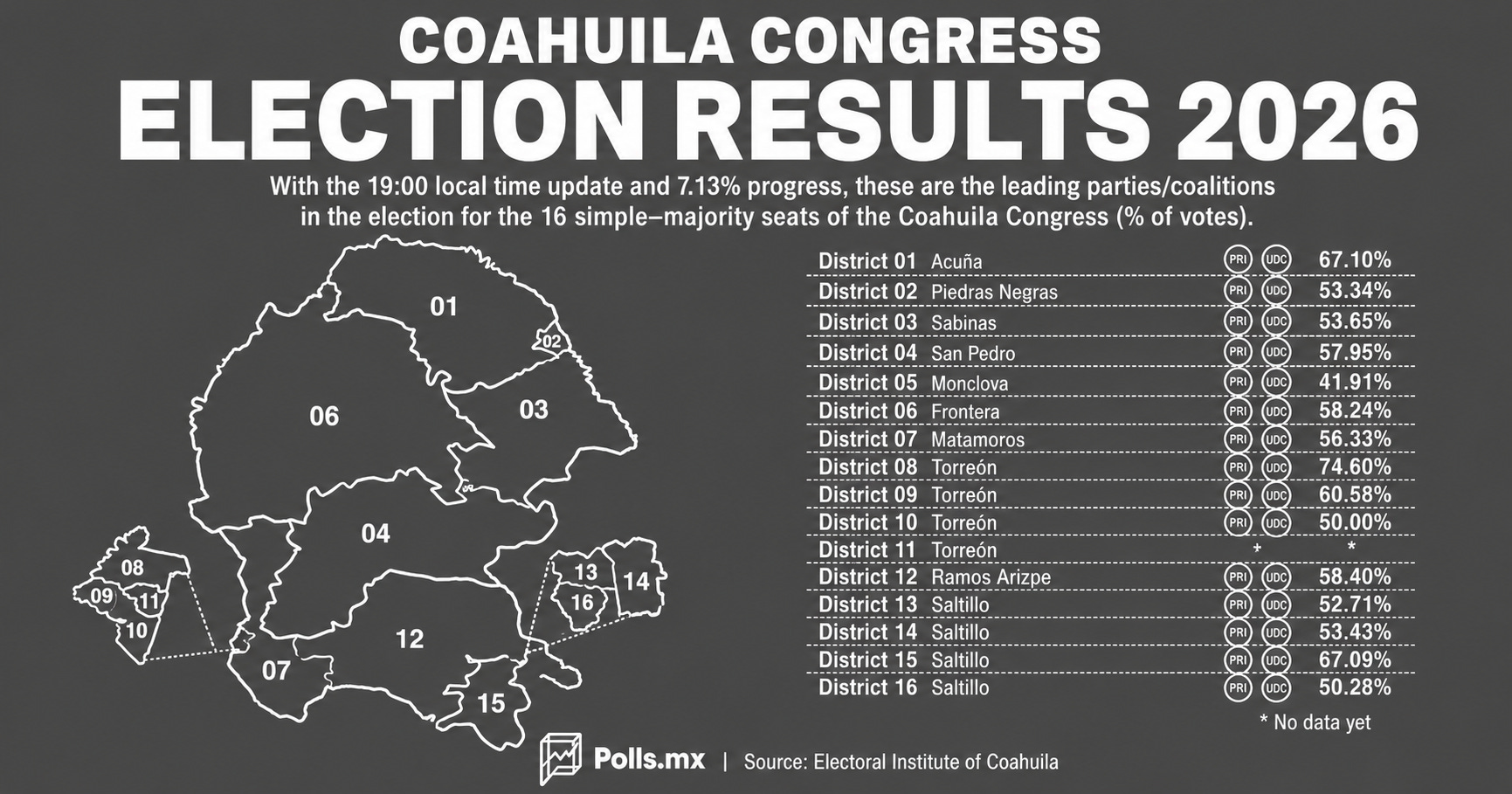
The PRI ran the table in Coahuila: all 16 majority districts with 54.98%, against Morena-PT’s 26.1%. The PAN collapsed to 2.17%. It was the country’s only election in 2026 (Infobae).
Morena didn’t concede: it alleged fraud it dubbed “QRgate“ —QR codes to “buy” votes— and announced complaints to the INE, the UIF and the Cyber Police. It showed no firm judicial evidence (Proceso).
The irony: Morena pushed the “Monreal Law“ —which voids elections over foreign interference— and the INE‘s anti-narco commission, both in force since June 3. Four days later, neither stopped the PRI (Vanguardia).
BlackPaper Comment: Every electoral reform of this term widened the discretion of power, not the checks. Today the machine those laws were meant to displace wins, and the side that wrote them demands annulment. Whoever builds the lever complains when it doesn’t serve them.
The plant no one will decide
Sinaloa, ten years in limbo
Thousands marched from Los Mochis to Topolobampo against GPO‘s ammonia plant; activists blocked the access roads. But the farmers defend it: they want it “like water“ (Heraldo).
The project has spent ten years in permitting. It would make fertilizer in the country’s key farm state. What the conflict reveals isn’t environmental: it’s a state unable to arbitrate between two sectors that depend on it (La Jornada).
And all of it with Sinaloa leaderless: governor Rocha Moya, charged in New York, left a powerless interim. The same state doesn’t pay its corn growers —750 pesos a ton, two years— nor decide whether it will make their input (La Jornada).
BlackPaper Comment: Ten years to not decide. The state that proclaims itself steward of development can neither approve nor cancel a plant: it only manages the conflict its paralysis feeds.
The state that doesn’t pay
The debt that blocks
Sinaloa‘s corn growers threaten to spread their protest to 28 states. They are holding four tollbooths and demand a debt the federal government has left unpaid for two years (La Jornada).
The specific claim: 750 pesos a ton promised and never delivered. In the state that grows nearly 60% of the country’s white corn, the debt isn’t symbolic: it sets the planting intention for the next cycle (La Jornada).
The government that subsidizes trains and builds carmakers can’t find the money to pay what it already owes the countryside. And the cost of not paying doesn’t vanish: it shifts to supply, to prices and to the blocked highway (La Jornada).
BlackPaper Comment: The steering state chooses whom it honors: there are billions for the car and for energy, but not for a two-year debt with those who farm. What goes unpaid at the window is collected at the blockade.
In brief
The second blow. On Sunday, Iran and Israel agreed to a ceasefire, but Hormuz stays shut: Brent rose to 96 dollars and WTI 4%, to 93 (CNN).
Peso under pressure. The peso opened Monday at 17.44 per dollar and the BMV strung its worst run since April, after strong US jobs froze the Fed. In the background, Moody’s already cut Mexico to Baa3 (El Financiero).
The chips rebound. On Monday, semiconductors bounced back after wiping 1.3 trillion dollars on Friday over soft guidance from Broadcom. The swing touches Mexico’s tech bet (CNBC).
On the radar
Jun 11 — The World Cup opens at the Azteca: the clock pressuring the CNTE talks.
Jun 16-17 — The Fed‘s decision and the USMCA‘s 2nd round in Washington.
Jun 25 — Banxico: hold 6.50% with the peso pressured and Moody’s watching?
Olinia — will SECIHTI disclose how the contract was awarded, or shield it?
Sonora & Tamaulipas — will the visa revocations of Durazo and Villarreal be confirmed?