


Five minutes to stay informed.
A day from the World Cup, the country tries to draw the curtain over what it didn’t fix: teachers at the stadium gates, someone else’s war and inflation shaking it, and states at the brink —no metro, no power—. The showcase doesn’t hide the seams.
The cordon and the torches
The CNTE heads to the stadium
On June 9, some 4,000 teachers of the CNTE marched on the Estadio Ciudad de México; police stopped them a kilometer out with steel barriers and buses. Today they call a March of the Torches (Proceso).
For tomorrow, the opening day, they’re preparing a mega-march with Ayotzinapa parents, searching mothers and farmers. The strike is nine days old; in Oaxaca, 80% of schools have no classes (El Universal).
The government showed it can contain the march with steel; what it can’t is solve it. The core demand —pensions, ending USICAMM— still gets no figures, just “progress“ (Infobae).
BlackPaper Comment: A cordon of steel barriers in front of the stadium isn’t a policy: it’s a postcard. The government can cover up the march for a day, but the conflict it didn’t negotiate, the whole world will see tomorrow.
The inflation that isn’t ours
The US jumps to 4.2%
May inflation in the United States rose to 4.2% —the highest in 37 months—, driven by the energy made costlier by the Hormuz closure (Morningstar).
The figure buries any Fed cut in 2026: futures now price in zero reductions, even a possible hike. The meeting is June 16-17, Warsh‘s first (Morningstar).
It hits Mexico three ways: a stronger dollar that pressures the peso, dollar debt that costs more, and a US consumer who, if he slows, chills exports (Morningstar).
BlackPaper Comment: The inflation that moves the peso most isn’t decided in Mexico City, but in Washington and in Hormuz. Banxico brought its own back to range, yet stays tied to a policy it doesn’t control.
The engine cracks
Output falls, exports rise
Car output fell 3.7% in May —342,926 units—, but the year’s exports rose 4%. The sector is realigning to sell abroad, not at home (El Financiero).
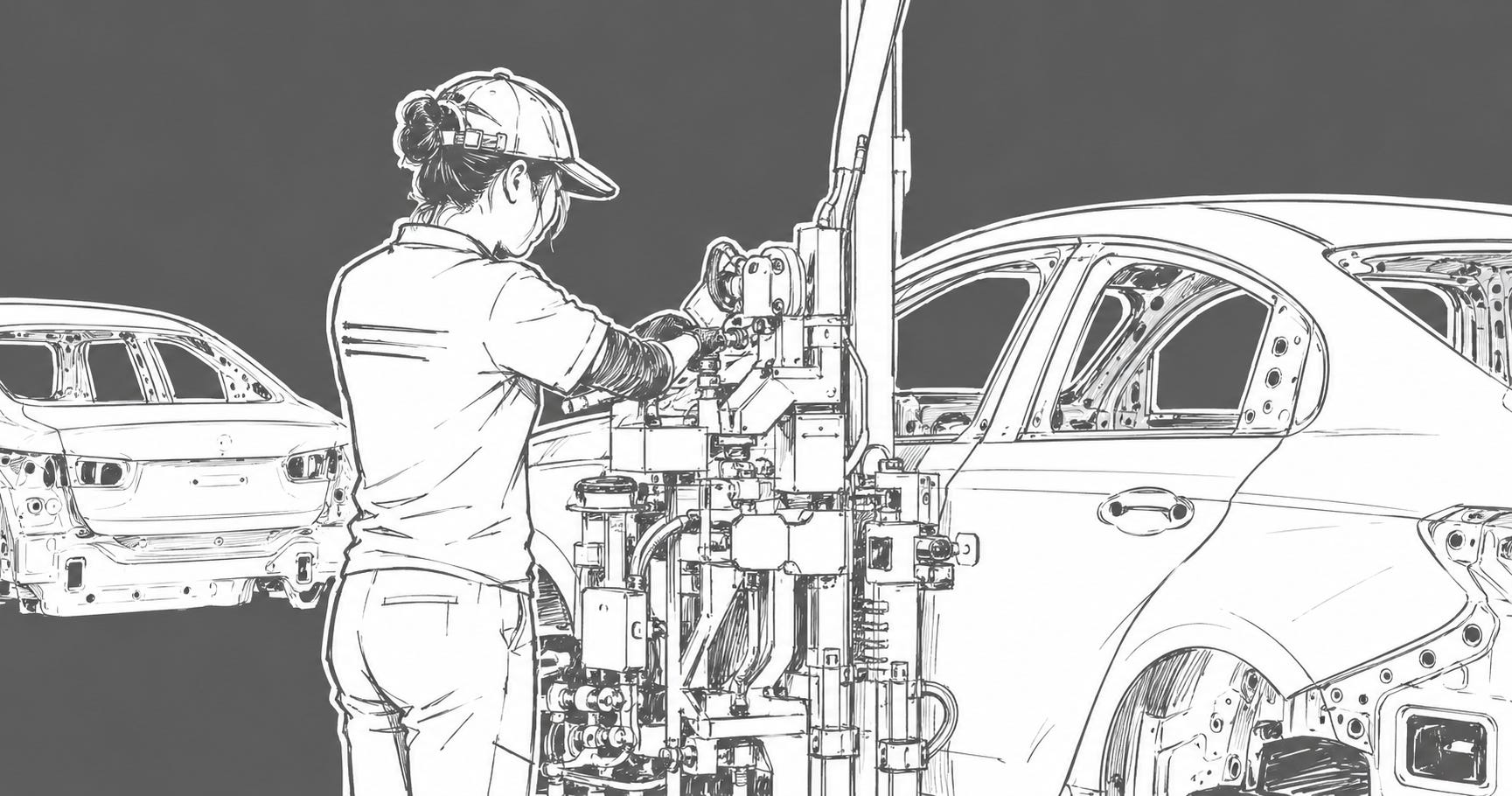
And it sells less to its main client: shipments to the US fell, offset by Canada, Germany and Brazil. Still, 75% of exports are tied to one market (El Financiero).
On top, the 232 tariff —25% on metals— is already in force, and the USMCA review comes in July. The export engine, a third of manufacturing, negotiates its future on the defensive (Mexico Business).
BlackPaper Comment: Exporting more while producing less isn’t strength: it’s a line adjusting to survive the tariff. Mexico’s car holds up because it diversifies, not because the country protects it.
The war returns
Hormuz and the barrel
On June 9, Iran downed a US Apache helicopter near Hormuz; the US struck back at Iranian defenses and radars. April’s truce creaks (NPR).
The strait has been semi-blocked for over 100 days, at 5% of traffic. Even so, oil fell: Brent dropped to 91 dollars as routes reopened, per the US (CNBC).
For Mexico, the swing cuts both ways: pricey crude helps Pemex, but the gasoline subsidy eats the gain, and the risk raises the insurance premium on its exports (Bloomberg).
BlackPaper Comment: Mexico’s economy prays for two opposite things: pricey crude for the treasury and peace for gasoline. It can’t have both, and someone else’s war decides which.
Banks profit, rating slips
84% of the system, in 8 hands
The eight biggest banks earned 87,867 million pesos from January to April —11% more— and now hold 84% of the system (El CEO).
But in May Moody’s cut their rating to Baa3, dragged by the weak sovereign. Delinquency already rose to 2.17% (El Financiero).
The profit looks healthy in aggregate, but hides the concentration: three banks hold 51% of credit. When the state weakens, the whole system feels it through that bottleneck (El CEO).
BlackPaper Comment: Mexico’s banking profits because it’s few and dear, not because it’s competitive. And its biggest risk isn’t the market: it’s the state that downgrades it every time it overspends.
The host without a metro
Monterrey, work on hold
World Cup host Monterrey reaches the tournament without its flagship work: Metrorrey‘s Line 4 won’t give service during the matches, only internal tests. Four years and billions of pesos (Proceso).
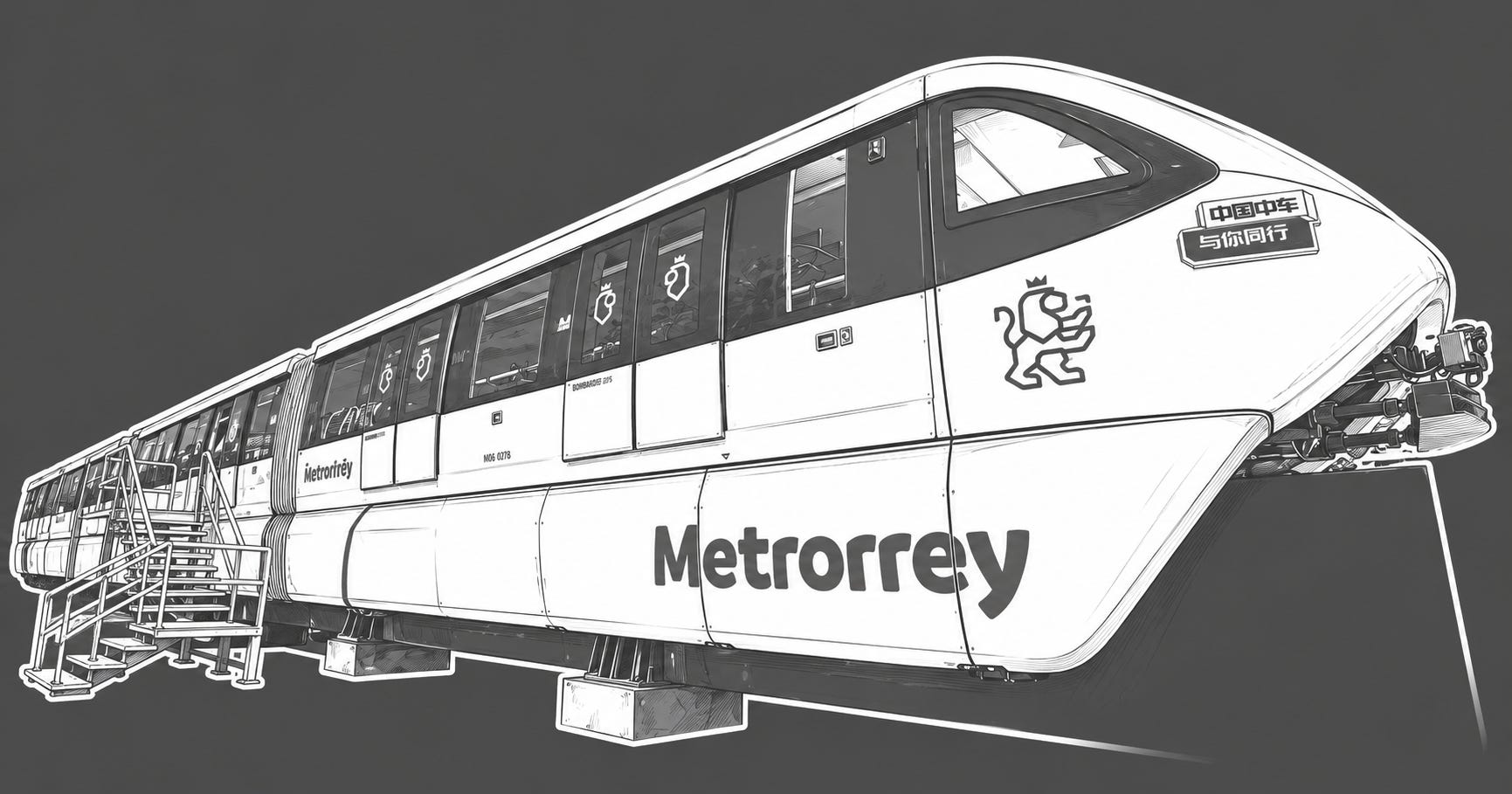
The stretch runs along the bank of the Santa Catarina, in peak rainy season with the drainage invaded; in March a formwork collapsed during a pour. Two million visitors are coming (El Horizonte).
It’s the mobility legacy Samuel García promised, now on hold. The mass transit announced with fanfare doesn’t work when most needed; the old metro will run at reduced frequencies (Proceso).
BlackPaper Comment: Infrastructure promised by politics and not by plan ends like this: debuting tests on World Cup day. The state’s most expensive work moves no one, but it did make the speech.
The southeast in the dark
Barges for the Caribbean
The Yucatán peninsula consumes 2,416 MW but generates only 1,818; the rest comes via a single line. On June 9 there were blackouts of up to 7 hours in 12 towns of Chiapas (El Financiero).
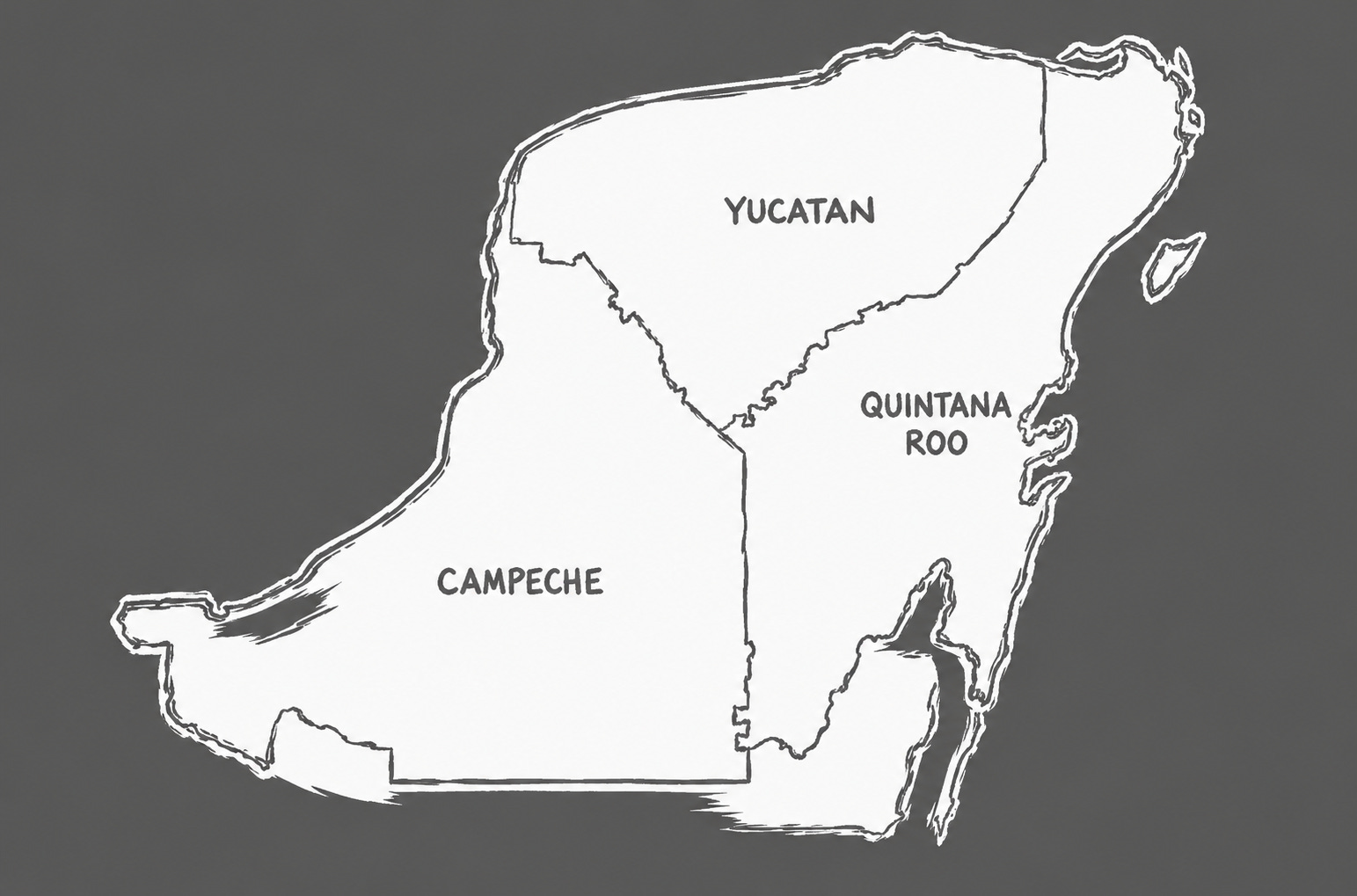
The emergency fix: contract 260 MW extra, including a floating barge from Turkey’s Karpowership off Quintana Roo. It’s rented electricity so as not to leave Cancún dark (El Financiero).
The real work —a second high-voltage line or firm local generation— neither exists nor is being built. The southeast, which grows most in tourism, lives with the country’s most fragile grid (El Financiero).
BlackPaper Comment: Holding up the Caribbean with a Turkish barge sums up a policy: the state monopoly doesn’t invest in transmission and rents patches when the heat bites. The lag isn’t weather: it’s choice.
In brief
Velasco meets Washington. On June 12 there’ll be a Mexico-US security meeting in Mexico City —with ambassador Johnson, not Rubio—, on the eve of the World Cup (El Universal).
Peso and stocks. The peso hovered at 17.44 per dollar Wednesday, awaiting the CPI and the Fed; the 10-year bond pays 9.16% (Bloomberg Línea).
More megawatts for private capital. SENER opened the window for private firms to seek permits for up to 32,000 MW of renewables; but the CFE stays the arbiter and buyer (El Financiero).
Volvo lands in Nuevo León. Volvo opens this summer in Ciénega de Flores its largest truck plant in the world: 1 billion dollars and up to 2,500 jobs (Mexico Business).
On the radar
Jun 11 — The World Cup opens at the Azteca: the CNTE mega-march and the security operation.
Jun 12 — Mexico-US security meeting in Mexico City (ambassador Johnson).
Jun 16-17 — The Fed (Warsh’s debut) and the USMCA‘s 2nd round.
~Jun 30 / Jul 1 — The Rocha Moya deadline and the USMCA deadline.
Olinia — will SECIHTI disclose the Rocketel contract?