


Five minutes to stay informed.
The peso, unshielded
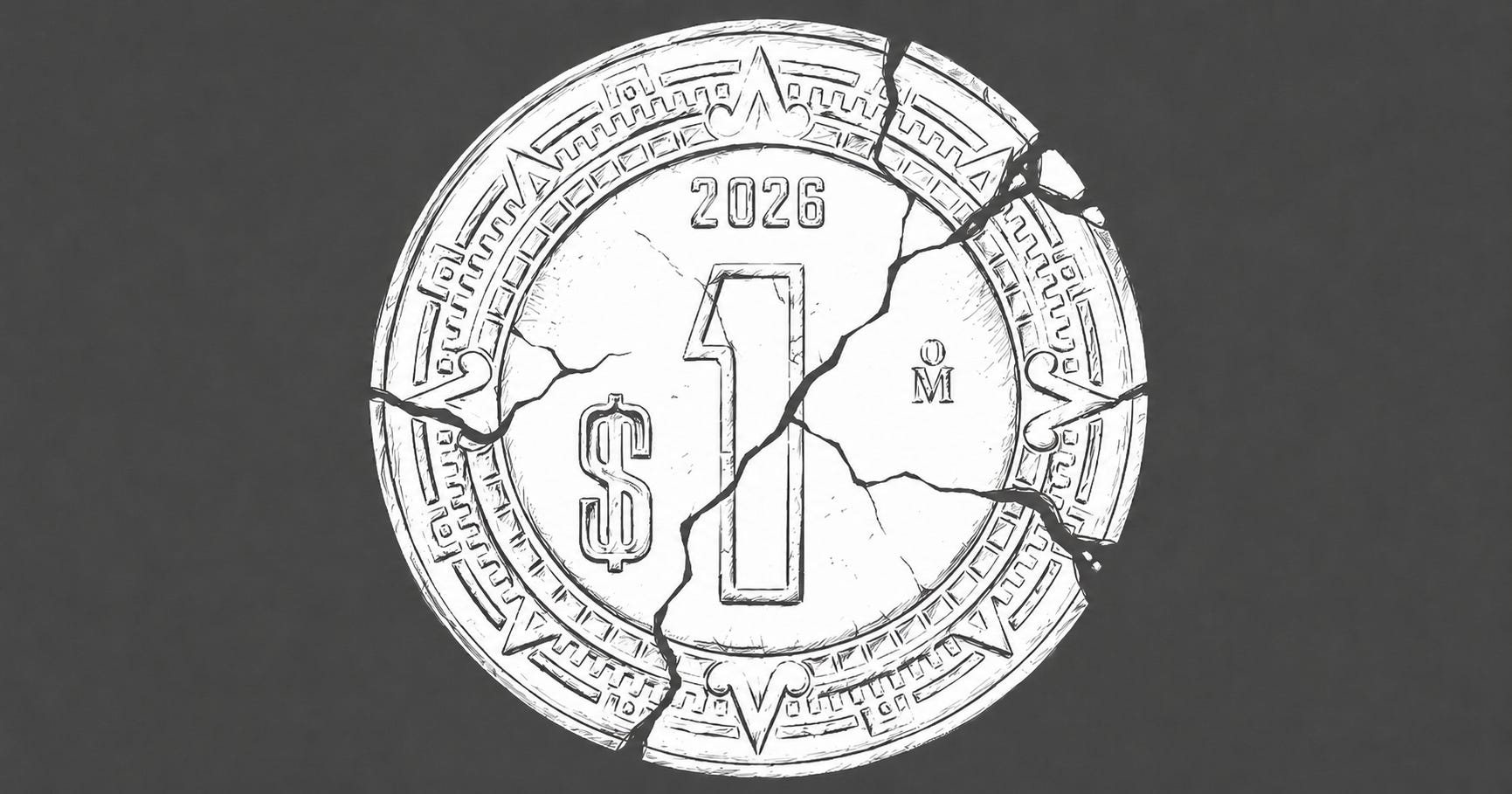
The peso closed Friday at 17.48 per dollar (FIX 17.4755¹, −1.23%) and the BMV at 66,141 points, dragged by the Wall Street rout, where the Nasdaq fell 4.18% (Proceso).
The trigger came from abroad: the U.S. added +172,000 jobs in May, more than double the 85,000 expected. The data pushes back the Fed‘s cuts under new chair Kevin Warsh; CME FedWatch puts >60% odds on a hike by year-end (MarketScreener
)
The “super peso“ was never productive strength: it lived off the rate differential between Banxico and the Fed. If Banxico cuts while the Fed threatens to hike, that cushion evaporates —the only shield of an economy the OECD already cut to 0.8% (El Universal).
BlackPaper Comment: 17.48 isn’t Trump‘s fault: it’s the price of mistaking high rates for a strong economy. When U.S. money stops being expensive, Mexico is left without its best —and almost only— shield.
The imported risk
The Strait of Hormuz is nearly shut: only about 20 ships crossed it this week, versus 129 daily before the war, and Goldman estimates −14.5 mbd of global supply (NPR).
It hits Mexico twice: though Pemex exports crude, the country imports gasoline, so a sustained shock raises imported inflation and pressures Banxico not to cut (NPR).
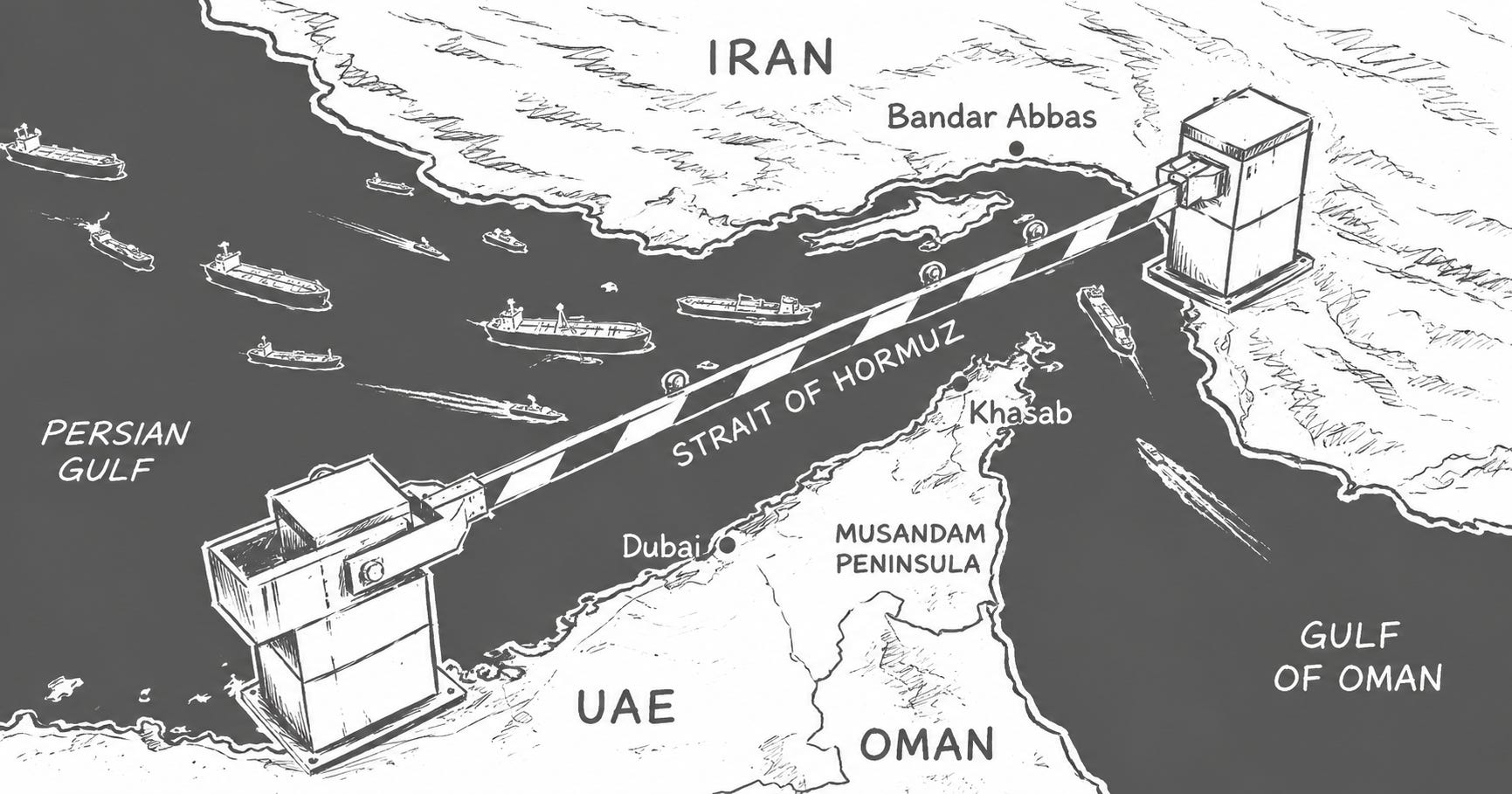
For now crude isn’t spiking —the market bets on a quick truce with Iran—, but the risk premium lingers: if Hormuz doesn’t reopen, the rebound arrives via energy and the peso (CNN).
BlackPaper Comment: The “super peso“ already lost its rate shield; a crude spike from Hormuz would be the second blow —imported inflation that ties Banxico‘s hands just as the economy stalls—.
Concrete and ethylene
In Coatzacoalcos, Sheinbaum announced 190 billion pesos for Veracruz through 2030; of that, 93 billion go to petrochemicals and fertilizers: 30 billion to the Ethane-Ethylene complex and 13.7 billion to Fertinal (El Universal).
It’s the bid to revive Pemex’s petrochemicals, abandoned since the Peña Nieto years: output fell more than 60% in a decade and its plants run at minimum capacity. The official target is 849,000 tons a year (Plumas Libres).
But the promise runs to 2030 —three years after the 2027 elections— and is announced in pesos a contracted economy (−0.6% in Q1) will have to fund with debt or cuts elsewhere.
BlackPaper Comment: The petrochemicals Peña let die and AMLO didn’t revive are now promised for 2030. The pattern repeats: announce today, bill tomorrow, plant someday. The spending is territorial power, not industry.
Concrete and ethylene
In Coatzacoalcos, Sheinbaum announced 190 billion pesos for Veracruz through 2030; of that, 93 billion go to petrochemicals and fertilizers: 30 billion to the Ethane-Ethylene complex and 13.7 billion to Fertinal (El Universal).
It’s the bid to revive Pemex’s petrochemicals, abandoned since the Peña Nieto years: output fell more than 60% in a decade and its plants run at minimum capacity. The official target is 849,000 tons a year (Plumas Libres).
But the promise runs to 2030 —three years after the 2027 elections— and is announced in pesos a contracted economy (−0.6% in Q1) will have to fund with debt or cuts elsewhere.
BlackPaper Comment: The petrochemicals Peña let die and AMLO didn’t revive are now promised for 2030. The pattern repeats: announce today, bill tomorrow, plant someday. The spending is territorial power, not industry.
The last bastion
Tomorrow, June 7, Coahuila renews 25 local seats (16 first-past-the-post, 9 PR): the only election in Mexico in 2026. The PRI-UDC alliance leads by +11 points over Morena-PT in May polls (Vanguardia).
The contrast is stark: Morena and allies govern 23 of 24 governorships and dominate Congress with 253 deputies, yet in Coahuila the PRI has ruled without interruption since 1929 —its last stronghold with full control— (BlackPaper).
That’s why tomorrow’s vote is a gauge toward 2027, when the Chamber of Deputies and 17 governorships are renewed. In 2024 the PRI was the most-voted party in the state with 41% and held Saltillo (Excélsior).
BlackPaper Comment: If Morena doesn’t seize the last bastion, it won’t be PRI strength but local machinery: in a midterm, whoever mobilizes wins, not whoever persuades. Watch turnout, not the margin.
The governor who won’t fall
Sinaloa’s governor-on-leave, Rubén Rocha Moya, remains undetained: the FGR found the U.S. didn’t provide flight-risk data, a requirement under Art. 11 of the extradition treaty (Proceso).
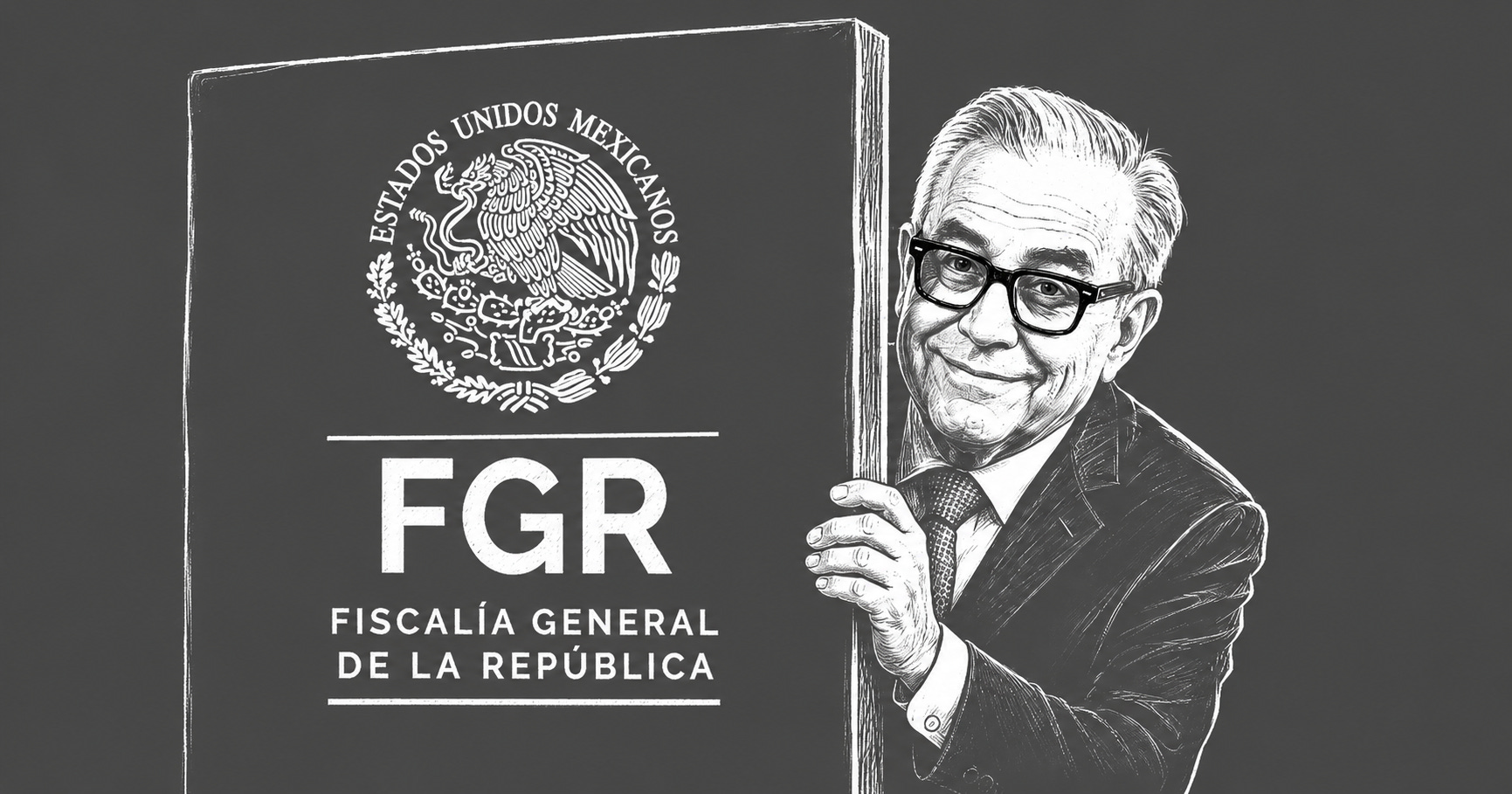
The DOJ charged him on April 29 —alongside nine other officials— with ties to “Los Chapitos“; the Foreign Ministry received 10 extradition requests. Rocha took leave on May 1 and Yeraldine Bonilla became interim governor (Aristegui).
He isn’t the only one named: the list includes Senator Enrique Inzunza and the mayor of Culiacán. Art. 11 (the 1978 treaty) gives 60 days to formalize extradition; the FGR shelters behind that window to avoid arresting (El Universal).
BlackPaper Comment: Sheinbaum chose to shield her own —accused of narco ties by the U.S.— behind "sovereignty". But that alibi didn't save El Mayo, now jailed in Brooklyn, nor Maduro, seized in Caracas in January: when Washington collects, sovereignty is no shield.
A fortified border
The U.S. Senate passed 52-47, overnight and on party lines, a bill earmarking $70 billion for ICE and the Border Patrol over three years. Murkowski was the only Republican against (NPR).
It’s not rhetoric: in 2025, ICE logged 307,000 arrests (+229% year-on-year) and the Trump administration reported 500,000 deportations between January and October. The $70 billion funds three more years of that machinery (Expansión).
Now it goes to the House. The message for Mexico is clear: Trump’s migration pressure now has a multi-year budget, not just speeches —a front not negotiated in USMCA (CNN).
BlackPaper Comment: $70bn to deport is the other side of the pincer: while Mexico debates sovereignty, the U.S. funds the apparatus that pressures it from the border.
In brief
Iran and the U.S., no deal. Talks remain at a standstill: Iran demands the release of $24 billion frozen; the U.S. struck Iranian radars after drones toward Hormuz. The risk premium won’t ease (CNN).
Trump, in the red. Trump‘s approval fell to 41-42%, with 55-56% disapproval —a net of −13 points—, his worst recent level (Silver Bulletin).
Remittances, falling. BBVA projects ~$60 billion in remittances in 2026, below 2025: the U.S. tax, raids and the strong peso erode the flow (Mexico Business).
Maya on a tightrope. Mexico’s Maya blend hovered near $88 a barrel, still above budget; but the Hormuz crisis makes Pemex‘s oil income volatile (Milenio).
A greener Court. The Supreme Court reaffirmed legitimate interest for environmental injunctions; digitization will avoid printing 1.7 million pages (La Razón).
On the radar
Jun 7 — Coahuila votes: 2026’s only electoral gauge and the PRI‘s last bastion.
Jun 10 — May inflation (INEGI): the next data point for Banxico.
Jun 16-17 — Warsh’s first Fed meeting and the second USMCA round: they set the peso and the tariff.